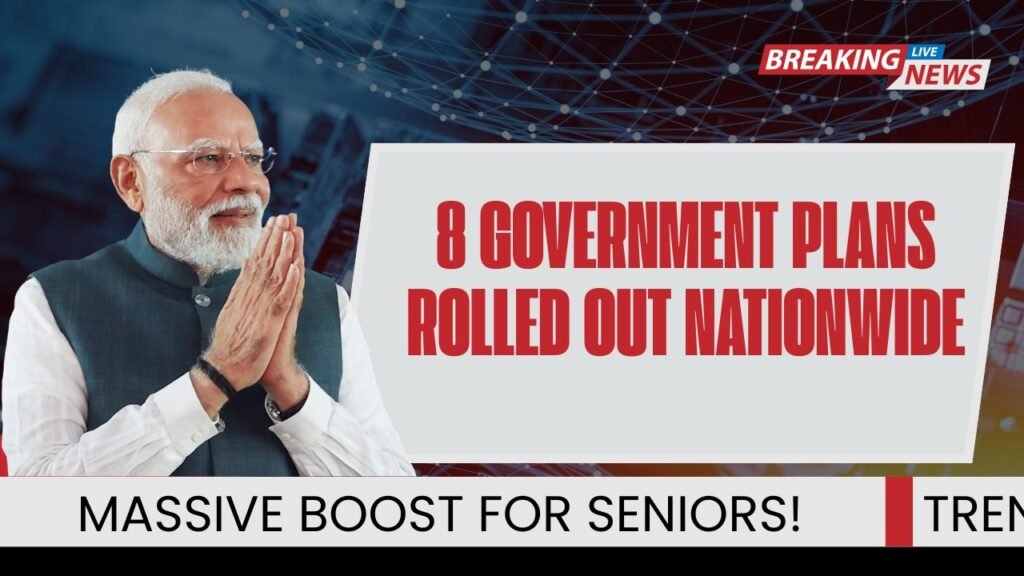
Senior citizens across India are receiving substantial support through a fresh set of government initiatives launched in 2026. These eight programs focus on easing financial pressures, improving healthcare access, and enhancing daily living for those aged 60 and above. The rollout comes at a time when the country’s elderly population continues to grow, making these measures a welcome step toward greater security and dignity in retirement.
The Push Behind These New Initiatives
With rising life expectancy and changing family structures, the government has prioritized welfare enhancements for seniors. Recent budget announcements and policy updates have expanded existing frameworks while introducing targeted relief in areas like pensions, taxes, and medical support. The eight plans build on longstanding schemes, refining them to address current needs such as inflation, healthcare costs, and social inclusion.
These efforts reflect a broader commitment to recognizing the contributions of older generations and helping them maintain independence without undue hardship.
Financial Security Enhancements
Several programs zero in on steady income and savings protection. Pension adjustments and investment options now offer better returns and easier access, helping seniors stretch their fixed incomes further amid everyday expenses. Tax simplifications reduce paperwork burdens, while interest deductions provide extra breathing room for those relying on savings interest.
Healthcare and Medical Access Improvements
Expanded coverage tackles rising medical needs head-on. Duty exemptions on essential drugs, including cancer treatments and rare disease medications, lower out-of-pocket costs for critical care. Broader insurance provisions and wellness investments aim to make quality treatment more reachable, particularly for chronic conditions common in later years.
Key Features of the Eight Plans
- Higher interest rates and extended options in savings schemes like SCSS, ensuring reliable quarterly payouts for retirees.
- Simplified centralized tax declarations that cut down on repeated submissions across institutions.
- Enhanced pension support through direct transfers and adjustments in old-age assistance programs.
- Duty-free imports for medicines and food related to additional rare diseases, easing access to specialized treatments.
Daily Living and Mobility Support
Beyond finances and health, some initiatives target practical aspects of life. Concessions on utilities, priority services, and travel benefits make routine activities more affordable. These additions help reduce daily stresses, allowing seniors to focus on family, hobbies, or community involvement.
Eligibility and How to Access Benefits
Most programs target residents aged 60+, with some requiring income proof or specific conditions like BPL status. Enrollment often happens through post offices, banks, or online portals, with many offering doorstep or assisted options for those with limited mobility. Local offices and helplines provide guidance to ensure smooth applications.
Staying Informed anllouts mark a meaningful advancement in senior welfare. By addressing key pain points from income stability to medical affordability, the eight government plans offer real relief and empower older citizens to enjoy their later years with greater confidence and comfort.
FAQs
What age group qualifies for these eight government plans?
Most target citizens aged 60 and above, though some benefits extend to specific subgroups like those 70+ or below poverty line.
Do these plans include pension increases?
Yes, several feature enhanced or adjusted pension support through direct transfers and old-age assistance programs.
Are there tax-related benefits in the new initiatives?
Simplified tax declarations and potential interest deductions aim to reduce burdens for seniors.
How can seniors apply for these benefits?
Applications typically go through banks, post offices, government portals, or local welfare offices, with assistance available for many.
Will these plans help with healthcare costs?
Absolutely—duty exemptions on drugs, expanded coverage, and wellness investments directly address medical expenses for seniors.